








AI Transparency Datasheet
Scope: Sekoia Defend, Roy, AI Cases, Elevate, and behavioral detection features
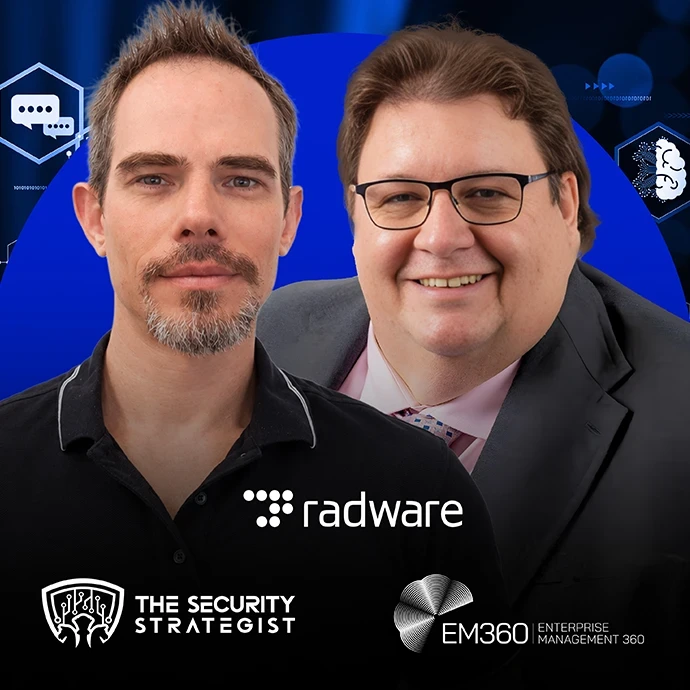
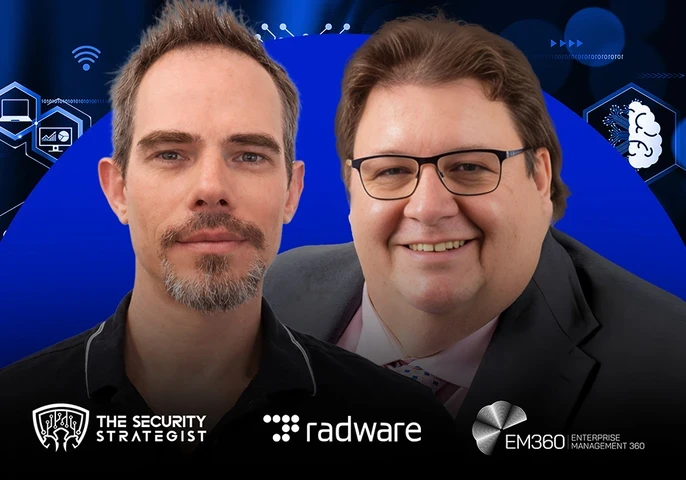
As shadow APIs multiply and AI fuels reconnaissance, enterprise security faces a blind spot. Radware’s Uri Dorot and KuppingerCole’s Jonathan Care explain how to stop stealthy API attacks.





Discover expert led podcasts, articles, and news from enterprise technology leaders at EM360Tech, your source for B2B tech intelligence
Scope: Sekoia Defend, Roy, AI Cases, Elevate, and behavioral detection features

“The NIS2 Directive should not be approached as a compliance issue, but as an opportunity to improve the level of cybersecurity.”
Learn what Sekoia's Agentic SecOps platform lets you do.

The upgrade comes after OpenAI shut down its Atlas browser.

As enterprises become more dependent on shared technology, underfunded maintainers and infrastructure providers can leave them facing unexpected costs that were not factored into the original decision to adopt it.

OpenAI also released ten summaries of the model’s reasoning and an estimate of the compute used.

As shadow APIs multiply and AI fuels reconnaissance, enterprise security faces a blind spot. Radware’s Uri Dorot and KuppingerCole’s Jonathan Care explain how to stop stealthy API attacks.

Reflection AI’s first open-weight model targets coding and AI agents, while reported talks with Nvidia highlight the strategic importance of more customisable AI systems.
The Financial Stability Board has issued final guidance urging financial institutions to strengthen controls over autonomous AI systems, including risk-based requirements for human approval of higher-risk actions.
When employees can work from anywhere, how can organisations protect their data and prevent unauthoried access in the event of device loss or theft?
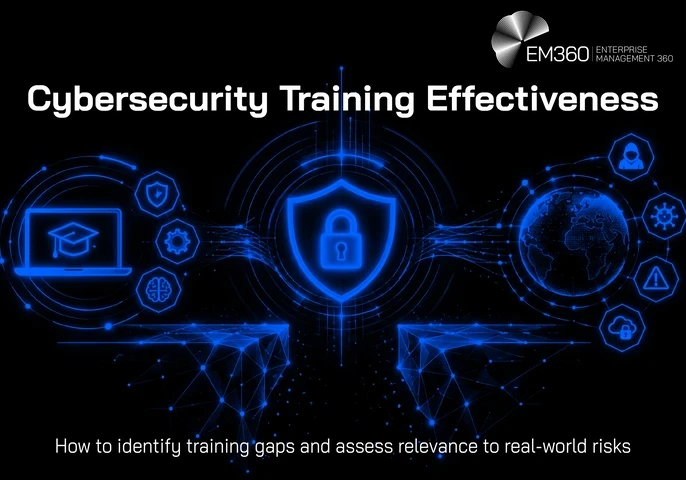
Why does cybersecurity training fail to deliver the intended results? Explore how organisations can identify gaps in training, assess its relevance to real-world risks and determine what needs to change to improve its effectiveness.


We report on Google's latest commitment to give European scientists access to advanced AI models and cloud computing resources.


We look at how outdated permissions, overlooked accounts and legacy authentication can carry security risks into modern IT environments.
The attackers targeted refrigeration controllers rather than data. Most of the affected units were legacy devices with no security updates.
We look at why accurate AI compliance decisions aren't always reliable and how enterprises can test whether AI actually follows the rules.

From advances in neuroscience and neutrino astronomy to new approaches in chemistry and literature, the 2026 Nobel Prizes are recognising work that is reshaping scientific understanding and creative expression.

The government is preparing plans to strengthen oversight of advanced AI, including potential requirements for companies to report incidents involving autonomous systems.

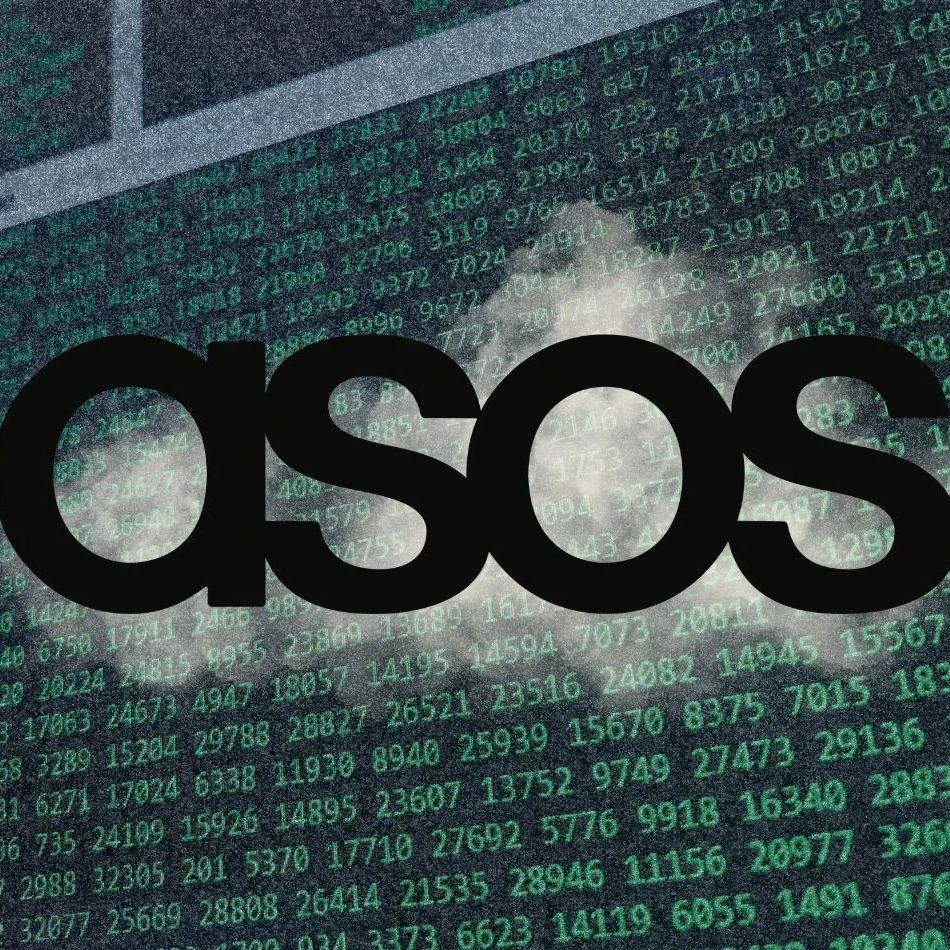
Hackers used the employee account credentials to access ASOS’s “information on third-party platforms”, including Snowflake’s Simon AI, and now claim to have access to user search history.
We look at how self-driving laboratories are changing industrial research and what it takes to turn autonomous experiments into trustworthy results.
Most automation programmes start with the same instruction: find the repetitive work. It sounds sensible. Then come the bots that break and the "quick wins" that never repay the build.

Establish and implement efficient third-party risk assessment practices when you take a modern approach, covering onboarding and initial evaluation, all the way through incident response.
AI in Third-Party Risk Management
Discover upcoming events shaping the world of enterprise tech


Get the latest insights, analysis and tech news delivered straight to your inbox
Filters